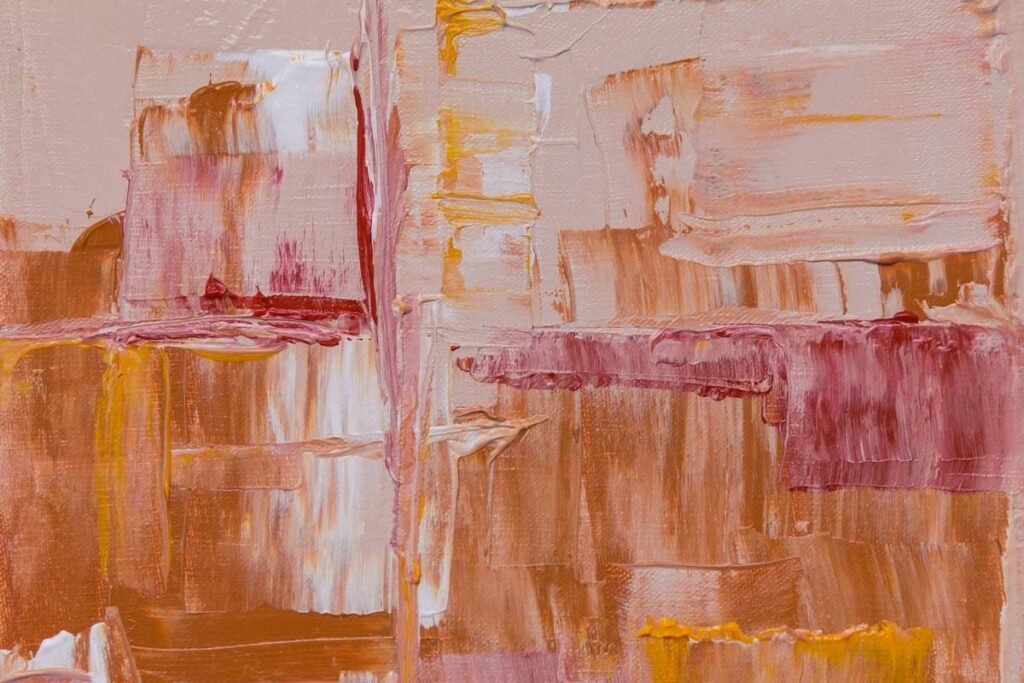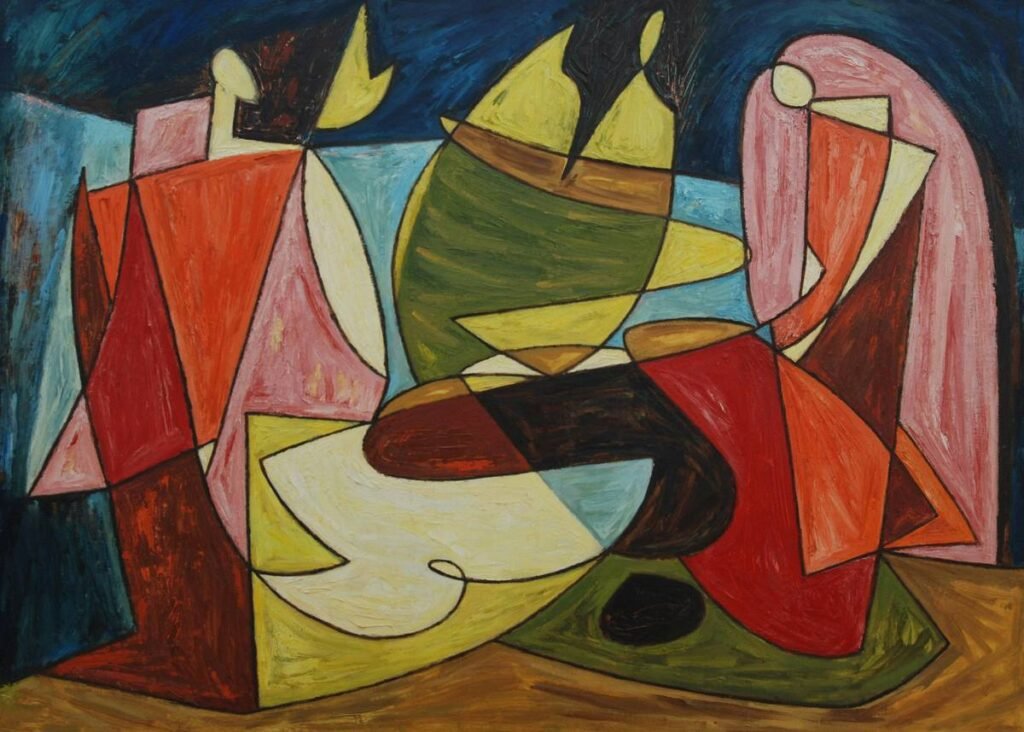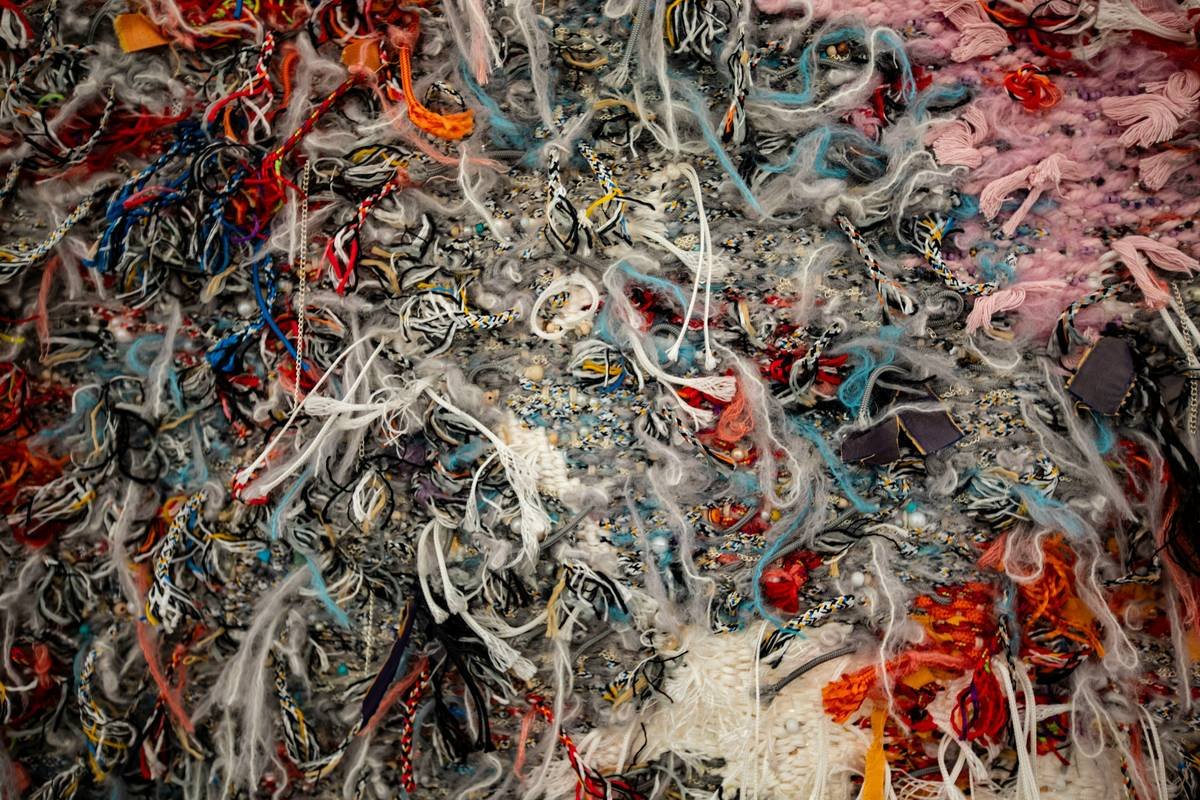
Most beginners try to “learn” abstract expressionism like it’s algebra—step by step, color by number. It fails. Every time. Because this art form isn’t about technique—it’s about controlled chaos. You don’t replicate it; you release it. And the real solution? Stop planning. Start reacting.
Why Traditional Painting Methods Crush Abstract Expressionism
Following classical composition rules—balance, symmetry, focal points—kills the raw energy that defines abstract expressionism. This movement was born in rebellion: Pollock dripped, de Kooning slashed, Rothko glowed. They didn’t sketch thumbnails for hours. They trusted impulse.
And here’s the trap: tutorials teach “safe” abstraction. Blended gradients. Neat splatters inside masking tape borders. That’s not expressionism—it’s decorative wallpaper with pretensions.
How to Make Abstract Expressionism Art: A Process, Not a Recipe
Forget instructions. Embrace intention. Work fast. Work messy. Work without knowing the outcome.
Gather Emotional Fuel, Not Just Supplies
Your palette starts in your chest—not your tubes. Before touching canvas, identify a feeling: frustration, euphoria, confusion. Let that drive mark-making, not Pinterest mood boards.
Choose Tools That Force Imperfection
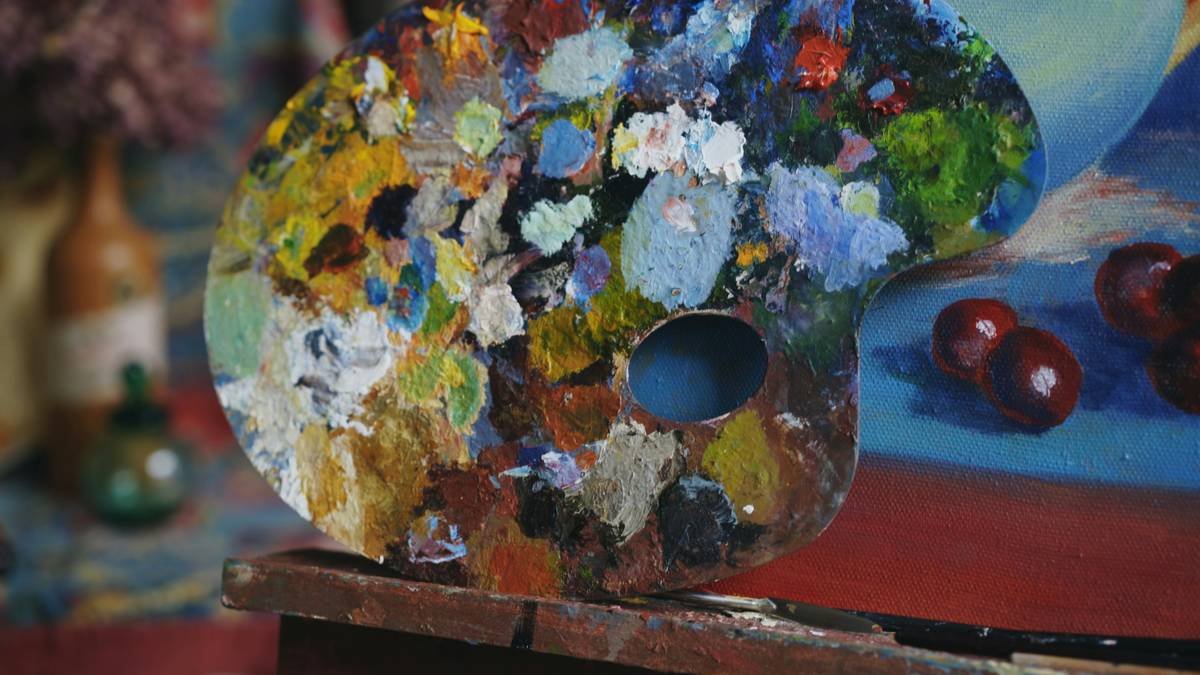
Ditch fine sable brushes. Use broom bristles, credit cards, rags, or your fingers. Introduce physical resistance—it disrupts control and invites accident, which is where magic lives.
Layer Without Loyalty
Paint over what you love. Scrape back what excites you. If you’re protecting sections, you’ve already lost the spirit of the form. Abstract expressionism thrives on destruction as much as creation.
| Approach | Time Commitment | Cost Range | Risk of Over-Control |
|---|---|---|---|
| Gesture-First (Action Painting) | 15–45 mins per session | $20–$60 (acrylics + drop cloth) | Low (if you avoid editing mid-flow) |
| Color Field Immersion | 2–4 hours (drying layers) | $50–$120 (high-pigment oils or acrylics) | Medium (easy to get “precious” with washes) |
| Mixed Media Collision | Flexible (non-linear) | $30–$90 (ink, sand, paper, gesso) | Very Low (chaos built-in) |
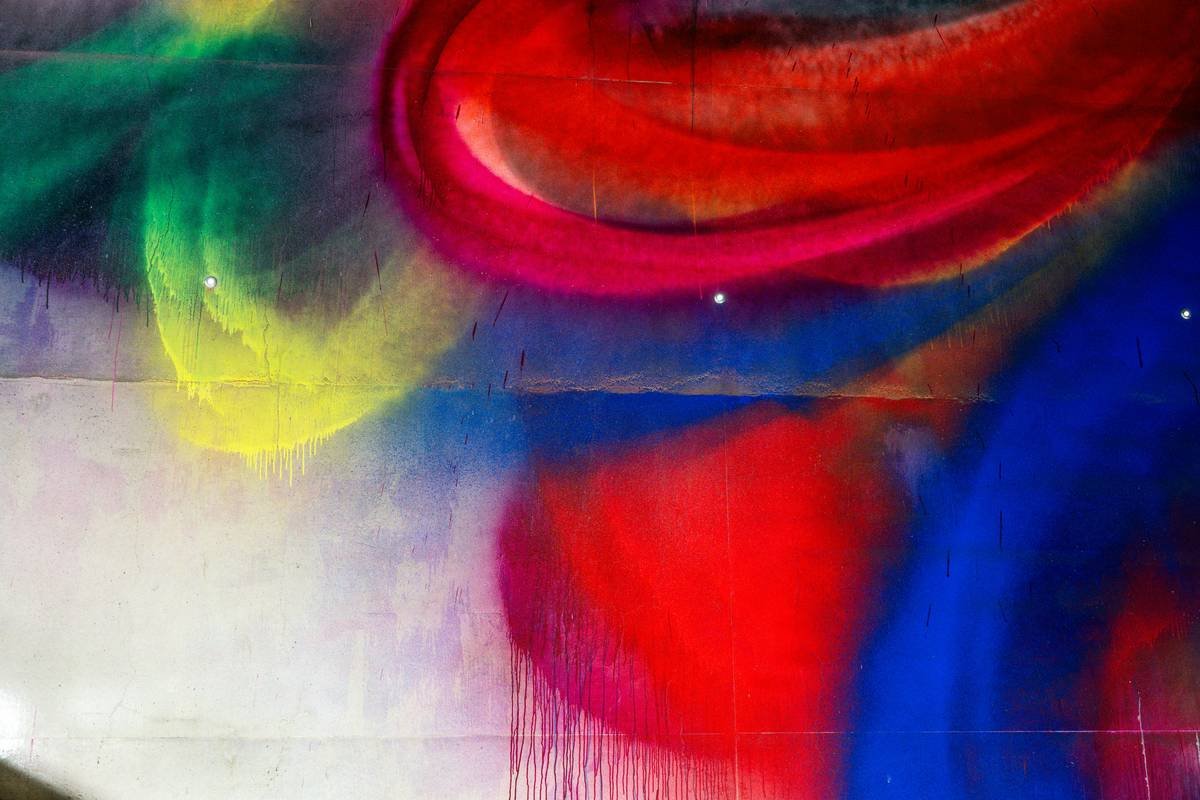
The Industry Secret: Your First 10 Pieces Should Be Burned (Metaphorically)
Galleries won’t tell you this—but most sellable abstract expressionist works emerge after dozens of “failed” experiments. The secret isn’t talent. It’s volume. Set a rule: no photographing, no sharing, no judging your first ten pieces. Destroy them mentally. Why? Because fear of wasting materials paralyzes instinct. Buy cheap canvas boards. Use house paint. Work at 3 a.m. when no one’s watching. Authenticity only surfaces when ego exits.
Think about it: Pollock’s early figurative work was mediocre. His breakthrough came when he stopped trying to be “good” and started being honest—even if it looked violent or unfinished.
Frequently Asked Questions
Do I need formal art training to make abstract expressionism art?
No. In fact, too much technique can hinder raw expression. Focus on emotional honesty over brush control.
What’s the best surface for abstract expressionism?
Raw, unprimed canvas or heavy-duty paper. Texture absorbs unpredictably—encouraging happy accidents that smooth boards suppress.
Can I plan my composition ahead of time?
You can—but don’t. Sketching kills spontaneity. Start with a color temperature or rhythm idea, then let the process steer you.