Your walls feel flat. Lifeless. Like something’s missing—but you’ve already tried generic prints, mismatched frames, and those “inspirational” quotes that scream 2012. And still, the room lacks soul. Here’s the fix: abstract wall art decor isn’t just another accessory—it’s a spatial anchor that rewires how light, mood, and movement interact in your home.
Why Most Abstract Wall Art Decor Fails (Even When It Looks Expensive)
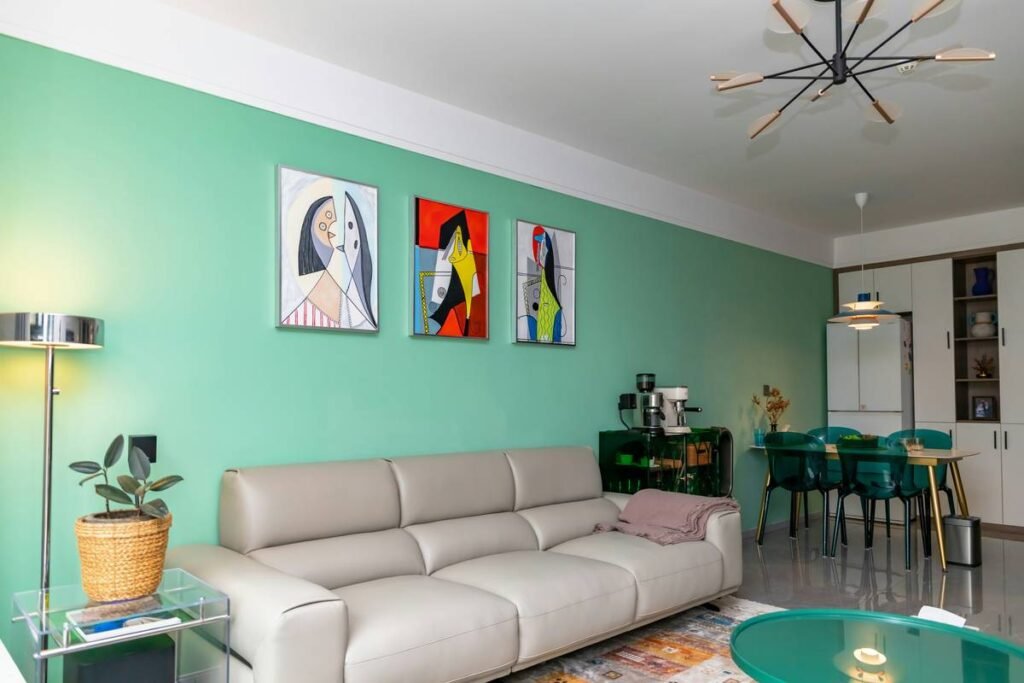
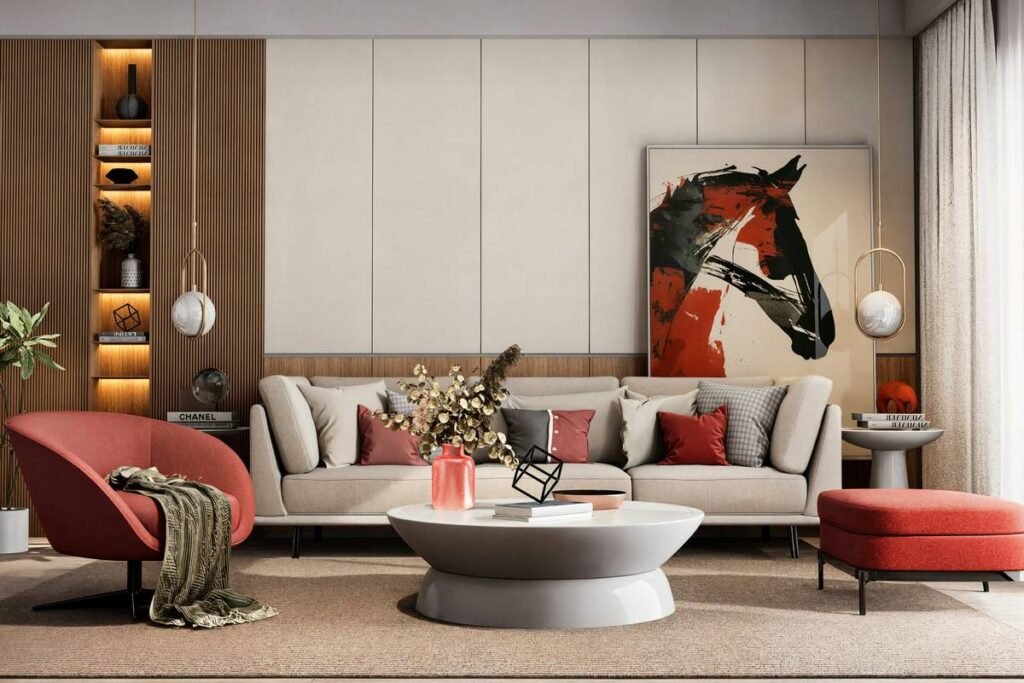
People buy based on color match or trend. Big mistake. Abstract art isn’t about filling empty space—it’s about creating intentional tension. Hang a chaotic red splatter piece over a serene beige sofa? You’re not “adding energy.” You’re causing visual whiplash.
And size matters more than style. A tiny canvas drowned in a vast wall doesn’t whisper minimalism—it screams neglect. The math is simple: if your artwork covers less than 60% of your furniture’s width below it, you’ve already lost the composition battle.
How to Choose and Place Abstract Wall Art Decor That Actually Works
Step 1: Audit Your Room’s Emotional Temperature
Is your living room cold and modern? Warm it with amber-gold brushstrokes—not literal suns, but implied warmth through texture. Bedroom too energetic? Avoid sharp lines. Opt for blurred gradients that slow the eye.
Step 2: Match Scale to Architecture—Not Furniture
Forget the sofa. Look at ceiling height, window placement, and door swings. In rooms under 8 feet tall, go horizontal. High ceilings? Vertical compositions pull the eye upward—making spaces feel grander without new drywall.
Step 3: Lighting Is Non-Negotiable
Matte finishes disappear in flat LED light. Glossy ones glare under track spots. Use adjustable picture lights angled at 30 degrees—this creates depth in layered paint, revealing dimension most buyers never see in daylight.
| Art Type | Ideal Room | Price Range (USD) | Placement Tip |
|---|---|---|---|
| Textured Acrylic Abstracts | Living Rooms, Entryways | $80–$300 | Mount at eye level (57–60” from floor) with 3” breathing room from shelves |
| Monochrome Ink Washes | Bedrooms, Bathrooms | $40–$150 | Group in triptychs; leave uneven spacing for organic flow |
| Metallic Geometric Panels | Dining Areas, Home Offices | $120–$500 | Use opposite a window to catch natural reflections |

The Industry Secret: Galleries Don’t Hang Art—They Stage Mood
Here’s what interior designers won’t tell you: color theory is secondary. What actually moves people is edge contrast. Soft-edged abstractions next to crisp architectural lines (like crown molding or steel beams) create subconscious harmony. Hard-edged art against raw brick? Feels aggressive—even if hues are neutral.
Think about it: a $75 print with feathered borders beside a marble fireplace reads as luxury. But a $500 geometric piece with razor-sharp boundaries in a rustic den feels jarring. It’s not the price. It’s the edge.
And yes—some boutique artists intentionally soften perimeters using dry-brush techniques. Ask before you buy. If they say “it’s digital,” walk away. True depth can’t be pixelated.
FAQ
What’s the ideal height to hang abstract wall art decor?
Center the piece 57–60 inches from the floor—standard eye level. If above furniture, leave 6–8 inches of clearance to maintain visual connection.
Can I mix abstract wall art decor with traditional pieces?
Yes—but only if they share a dominant neutral (black, cream, taupe) or a single accent hue. Never match subject matter; match mood.
Should abstract art match my throw pillows?
No. Matching creates kitsch. Instead, pull one secondary color from the painting into your textiles—that’s cohesion without costume.