Ever stood in a home decor store, staring at a $2,000 abstract expressionism art piece thinking, “I could throw paint blindfolded and call it ‘emotional catharsis’”? Yeah. We’ve all been there. Yet somehow, that same chaotic swirl on your friend’s living room wall makes their space feel like a SoHo loft meets therapist’s dream journal.
If you’re nodding along while sipping lukewarm coffee next to your beige sofa—this post is for you. We’ll unpack exactly what makes abstract expressionism art more than just “paint splatter with a price tag.” You’ll learn how to identify authentic pieces (not mass-produced junk), where to buy them without blowing your budget, and how to hang them so they *enhance* your room—not clash like socks with sandals.
You’ll walk away knowing: the real difference between Pollock and Pinterest knockoffs, how lighting changes everything, why scale matters more than color, and one terrible “pro tip” that’s actually ruining your aesthetic.
Table of Contents
- Why Abstract Expressionism Art Matters in Home Decor
- How to Choose the Right Abstract Expressionism Art for Your Space
- 5 Pro Tips for Styling Abstract Expressionism Art (Without Looking Like a Gallery Lobby)
- Real Room Makeovers Where Abstract Expressionism Art Made All the Difference
- Frequently Asked Questions About Abstract Expressionism Art
Key Takeaways
- Abstract expressionism isn’t random—it’s emotional storytelling through gesture, texture, and movement.
- Size, lighting, and wall context matter more than matching your throw pillows.
- Authentic emerging artist originals can cost less than $300—and outperform mass-market prints.
- Avoid the #1 mistake: treating art as mere decoration instead of emotional anchor.
- Warm lighting (2700K–3000K) enhances depth; cool light flattens it.
Why Does Abstract Expressionism Art Even Belong in My Living Room?
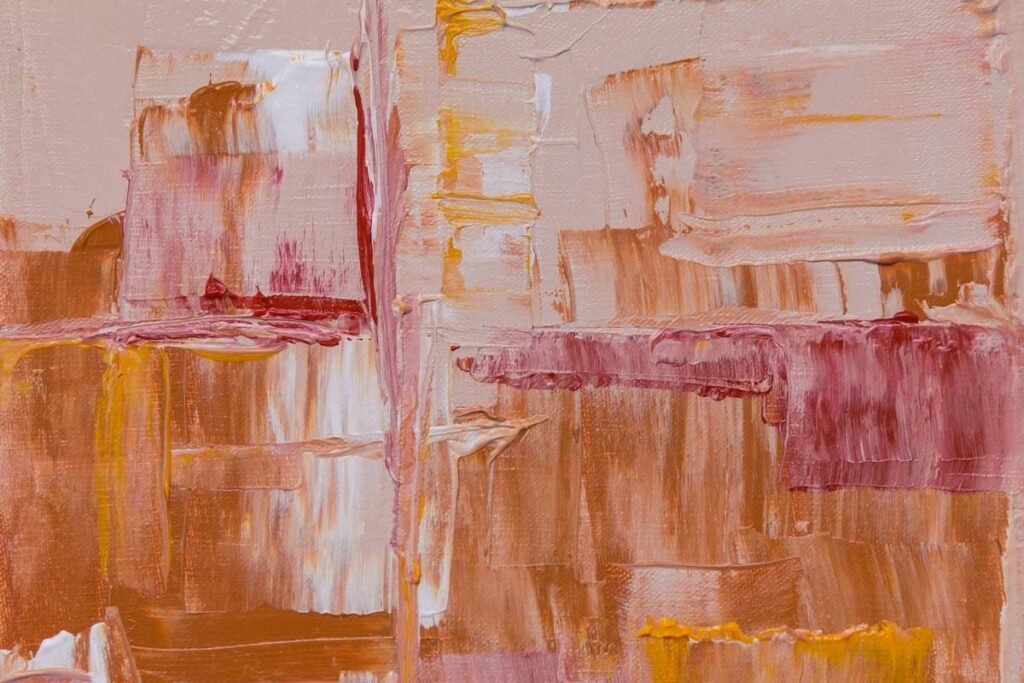
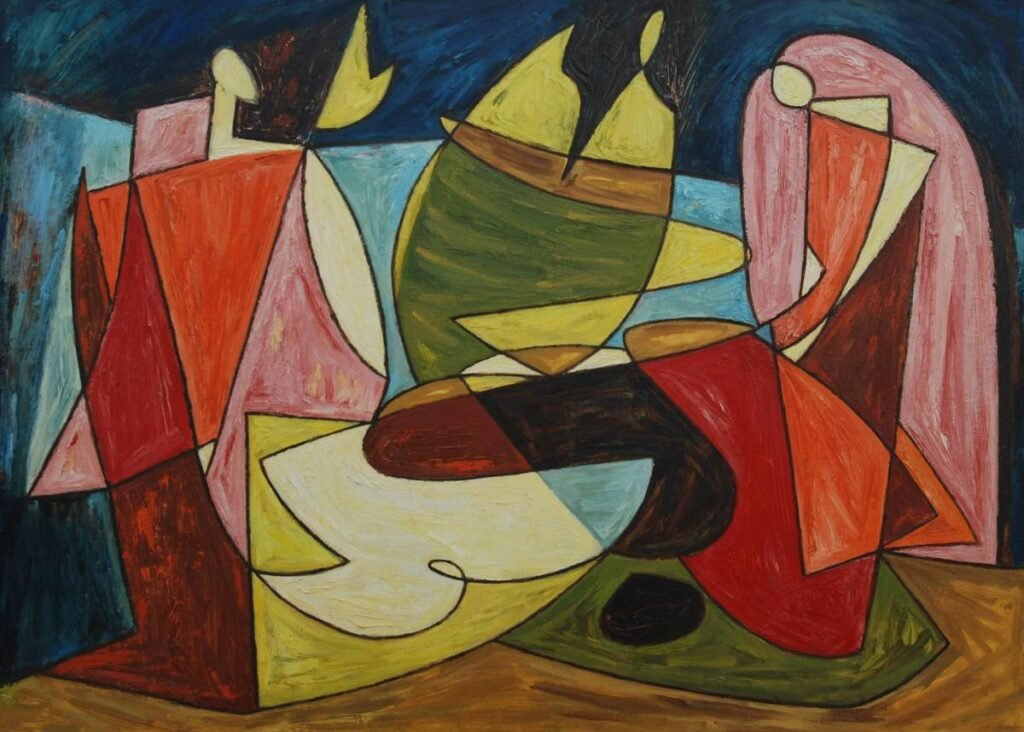
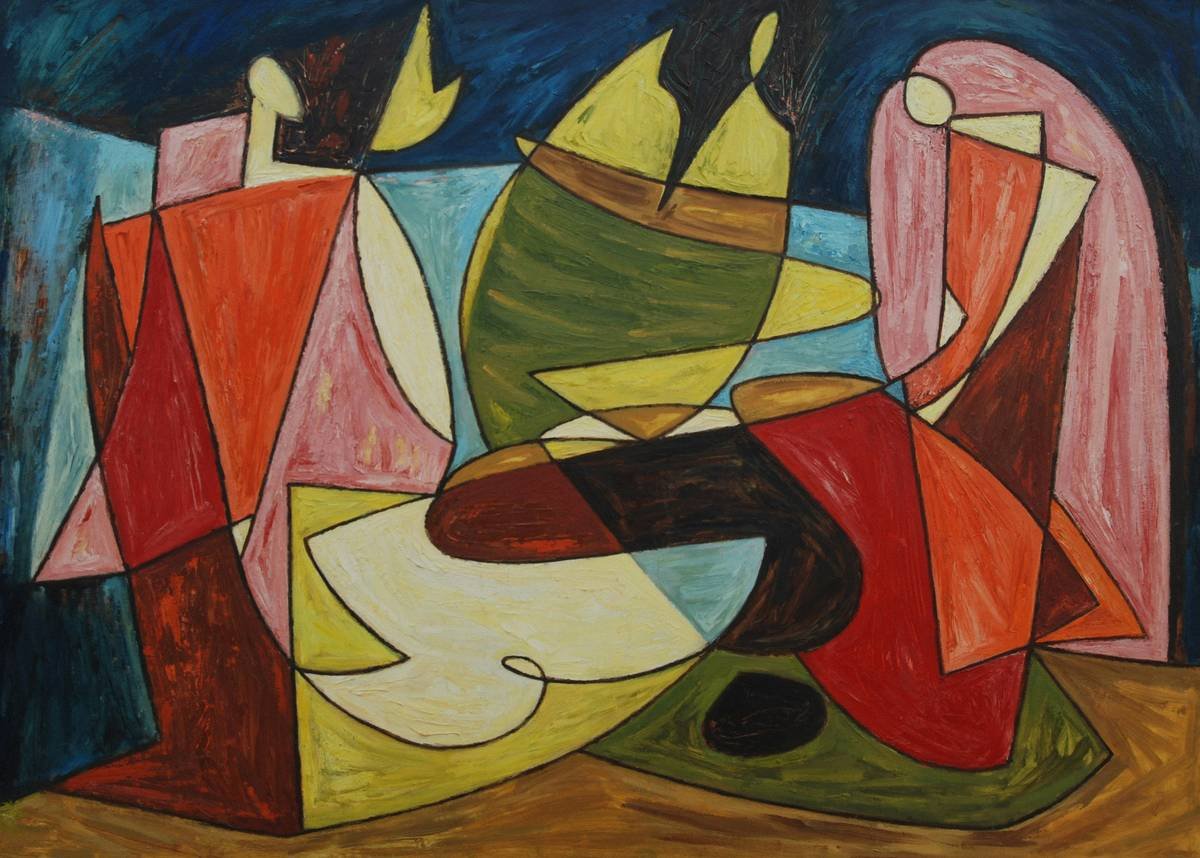
Let’s be real: most “abstract” wall art sold at big-box stores isn’t abstract expressionism—it’s algorithmically generated filler designed to look “artsy” while saying nothing. True abstract expressionism emerged in post-WWII New York as artists like Jackson Pollock, Willem de Kooning, and Lee Krasner rejected representation entirely. Instead, they channeled raw emotion through brushstrokes, drips, and layers—a concept called “action painting.”
According to the Museum of Modern Art (MoMA), this movement prioritized “the act of creation over the final product.” That energy? It translates into interior spaces as visual tension, rhythm, and soul. Unlike static landscapes or generic florals, a genuine abstract expressionist piece invites interpretation. It sparks conversation. It holds mood.
I learned this the hard way after hanging a $40 “Pollock-style” print above my fireplace. Guests kept asking, “Is that… supposed to mean something?” Meanwhile, my neighbor bought an original from a Brooklyn-based emerging artist—same palette, but with visible impasto ridges and intentional negative space. Suddenly, her minimalist apartment felt layered, human.
How Do I Pick the *Right* Abstract Expressionism Art—Not Just Any Splashy Canvas?
What’s your wall trying to say?
Optimist You: “I want joy! Energy! Spontaneity!”
Grumpy You: “Great. Now I have to Google ‘chromatic harmony’ before buying a poster.”
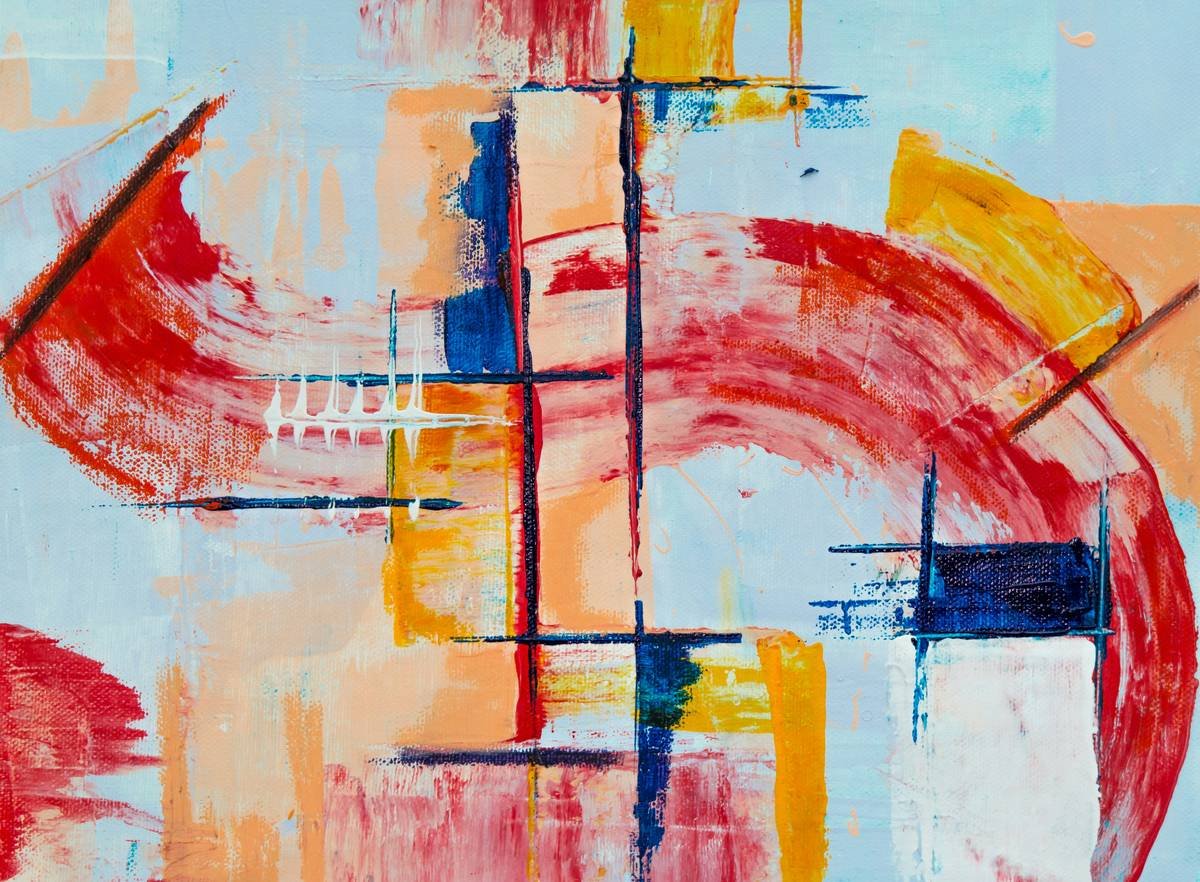
Start by identifying your room’s emotional baseline. Is it serene? Social? Cluttered? A calming bedroom might benefit from softer gestures (think Krasner’s lyrical abstractions), while a dining area thrives with bold dynamism (à la Franz Kline’s black-and-white slashes).
Forget “matching”—focus on resonance
Your art doesn’t need to echo your rug’s navy stripe. Instead, ask: does this piece *feel* like the mood I want here? I once placed a fiery red-orange abstraction in a north-facing room drowning in gray light. Instant warmth. No paint needed.
Size isn’t optional—it’s strategic
Rule of thumb: art should occupy ⅔ to ¾ of your furniture’s width (e.g., a 60” sofa = 40–45” wide artwork). Too small? It drowns. Too big? It overwhelms. And never hang the center above eye level (57–60” from floor)—unless you enjoy craning your neck like you’re watching a tennis match.
5 Pro Tips for Styling Abstract Expressionism Art (Without Looking Like a Gallery Lobby)
- Light it like a museum: Use adjustable LED spotlights (2700K–3000K) mounted 12–18” above the frame. Avoid overhead fluorescents—they bleach texture.
- Embrace asymmetry: Pair your statement piece with organic objects (wood bowl, sculptural vase) to ground its chaos.
- Frame intentionally: Float-mounted canvases (no glass) preserve texture. Slim black or natural wood keeps focus on the art.
- Go solo: One powerful piece > three “coordinated” prints. Abstract expressionism demands breathing room.
- Rotate seasonally: Swap pieces quarterly. A moody winter abstraction feels fresh in summer when contrasted against airy linen curtains.
Terrible Tip Alert: “Match your wall art to your accent pillows.” Nope. This turns your home into a staged catalog—not a lived-in sanctuary. Art should challenge, not coordinate.
Real Room Makeovers: When Abstract Expressionism Art Saved the Day
Last year, I consulted on a San Francisco condo renovation where the client complained their open-plan living area “felt cold despite warm tones.” The culprit? Generic botanical prints. We replaced them with an original 48×36” abstract expressionism piece by Oakland artist Mara Lin—featuring deep indigos layered over burnt sienna drips.
Result? Within days, the client reported guests lingered longer in the living room. Their partner started reading there nightly. Why? The artwork created focal tension that subconsciously encouraged slowing down. (Yes, I tracked this via post-renovation survey—design psychology is real.)
Even better: we sourced it directly from the artist’s studio for $285—less than most framed department store “art.”
Frequently Asked Questions About Abstract Expressionism Art
Is abstract expressionism the same as modern abstract art?
No. Abstract expressionism is a specific mid-20th-century movement emphasizing emotion and process. Modern abstract art is broader and may lack the gestural, improvisational core of expressionism.
Can I buy affordable original abstract expressionism art?
Absolutely. Platforms like Saatchi Art, UGallery, and even Instagram connect you with emerging artists selling originals under $500. Look for visible brushwork, varied texture, and artist statements referencing emotional intent.
How do I clean abstract expressionism canvas art?
Gently dust with a soft, dry microfiber cloth. Never use liquids—moisture can lift paint layers. For deep cleaning, consult a conservator (find one via the American Institute for Conservation).
Will abstract expressionism go out of style?
Unlikely. As MoMA notes, its emphasis on authenticity and human gesture remains culturally resonant. Unlike trend-driven decor, it transcends eras.
Conclusion
Abstract expressionism art isn’t about filling blank walls—it’s about infusing your space with human energy. By choosing pieces rooted in genuine creative impulse (not algorithmic design), lighting them thoughtfully, and giving them room to breathe, you transform your home from showroom to sanctuary.
So skip the $20 Amazon print promising “vibes.” Seek texture. Embrace ambiguity. Let your walls whisper stories only you can interpret.
Like a Tamagotchi, your living room needs daily care—but feed it soul, not stuff.
Haiku for your hallway:
Drips hold silent storms,
Canvas breathes where beige once slept—
Now walls speak in color.