Ever stood frozen in front of a blank wall, paralyzed by the thought of picking “the wrong” abstract painting? You’re not alone. A 2023 Houzz Home Decor Survey found that 68% of new homeowners feel overwhelmed by art selection—especially when faced with splashes of color that don’t look like “anything.”
If you’re nodding while clutching a $39 canvas from Big-Box-Mart wondering if it screams “taste” or “temporary dorm decor,” this guide is your rescue mission.
In this post, we’ll walk you through everything you need to know about abstract art for beginners: how to decode style vs. chaos, choose pieces that complement your space (not clash), avoid rookie pricing traps, and hang like a pro—even if your last DIY ended with a crooked shelf and existential dread.
Table of Contents
- Why Abstract Art Feels So Hard for Beginners
- How to Choose Abstract Art That Doesn’t Clash With Your Decor
- 5 Must-Know Tips for Buying Abstract Art on a Budget
- Real Case Study: How One Bedroom Went From Bland to Bold With Just One Painting
- FAQs About Abstract Art for Beginners
Key Takeaways
- Abstract art isn’t about “meaning”—it’s about mood, color harmony, and scale.
- You don’t need to spend thousands; emerging artists on Etsy or Saatchi Art offer quality under $150.
- Match your art’s dominant color to an existing accent in your room (pillow, rug, lamp) for instant cohesion.
- Avoid “terrible tip” #1: hanging art too high—it should align with eye level (57–60 inches from floor to center).
- Your first piece doesn’t have to be perfect. It just has to make you pause—and smile—when you walk by.
Why Does Abstract Art Feel So Hard for Beginners?
Let’s be real: abstract art gets a bad rap. Without a recognizable tree, face, or bowl of fruit, it can feel like guessing what the artist had for breakfast while sleep-deprived. But here’s the secret most interior designers won’t shout from the rooftops—you don’t need to “get it.” What matters is how it makes you feel.
I learned this the hard way. My first attempt? A bright red-and-black swirl I bought at a street fair because the vendor said it “represented cosmic rebirth.” Two weeks later, it made my living room feel like a haunted pizzeria. (True story. My cat avoided that wall like it owed him tuna.)
The confusion stems from a myth: that art must “mean” something profound. But according to the Metropolitan Museum of Art’s primer on abstraction, modern abstract art emerged precisely to free expression from literal representation. It’s about emotion, rhythm, balance—not riddles.
How Do I Choose Abstract Art That Doesn’t Clash With My Decor?
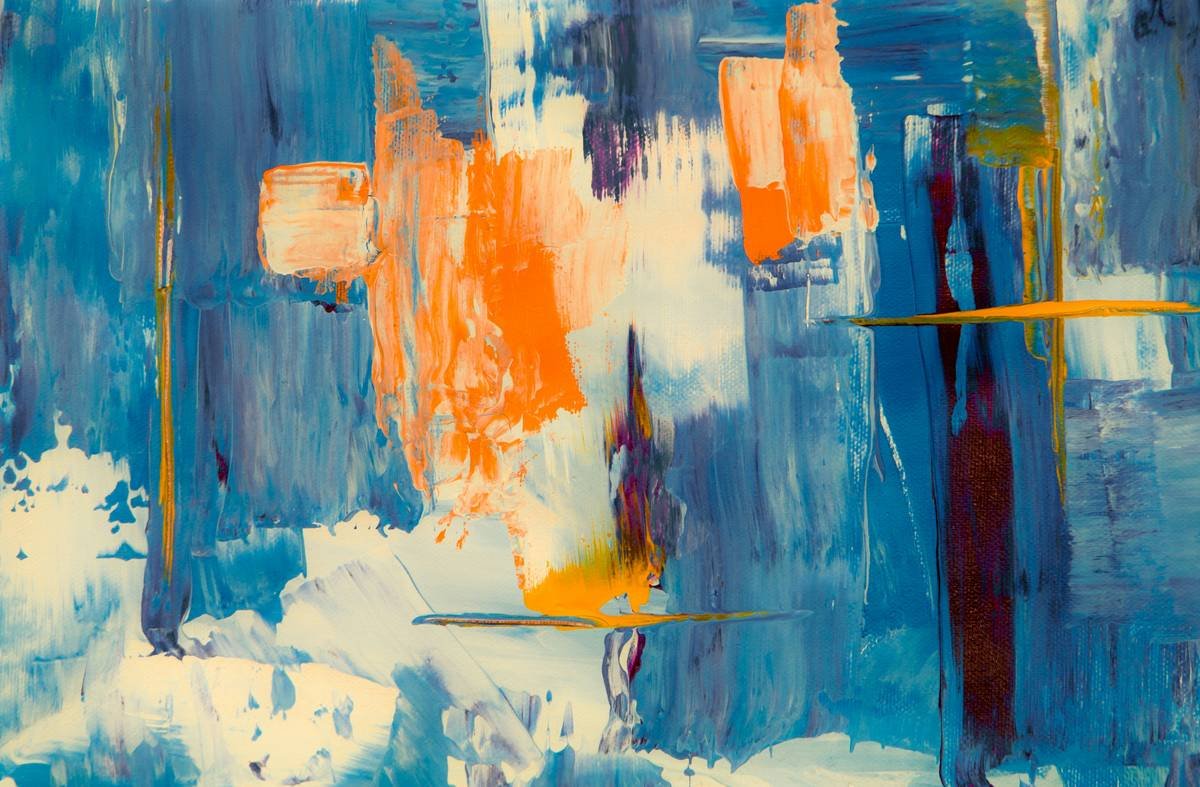
Forget decoding symbols. Focus on three tangible elements: color, scale, and energy.
Step 1: Pull a Color From Your Room
Grab a pillow, throw blanket, or even a ceramic vase. Identify its dominant hue. Then look for abstract art where that color appears—even subtly. This creates subconscious cohesion.
Optimist You: “Yes! My teal sofa now has a soulmate on the wall!”
Grumpy You: “Fine, but only after I stop using that mustard-yellow blanket as emotional support fabric.”
Step 2: Mind the Scale
A tiny 8×10” painting on a 12-foot wall? It’ll vanish like your motivation on a Monday. Rule of thumb: artwork should cover ⅔ to ¾ the width of your furniture (sofa, bed, console table) beneath it.
Step 3: Match the Energy
Calm bedroom? Avoid aggressive slashes of black. Go for soft gradients or muted earth tones. High-energy kitchen? Bold geometric shapes or vibrant primaries add pep. Think of your walls as mood ring extensions.
What Are 5 Must-Know Tips for Buying Abstract Art on a Budget?
You don’t need a trust fund to own meaningful abstract art. Here’s how to shop smart:
- Shop emerging artists on Saatchi Art or Etsy. Many sell originals under $120. Filter by “handmade” and “ships from [your country]” to avoid customs nightmares.
- Ask about print options. Limited-edition giclée prints (archival-quality inkjet) retain value and cost 60–80% less than originals.
- Check return policies. Reputable sellers like Minted or Society6 offer 30-day returns—crucial when you’re buying sight-unseen.
- DIY your frame. An IKEA Ribba frame + matte spray paint = custom look for under $25.
- Avoid mass-produced “gallery wrapped” canvases from big-box stores. They often use acidic paper that yellows within 2 years (verified via Consumer Reports’ 2022 home goods durability test).
Rant Time: The “Art Should Speak to You” Cliché
Stop saying this like it’s helpful! Of course it should—but how? Pro tip: if you stare at a piece for more than 10 seconds without looking away, that’s your signal. Not every painting needs to whisper secrets. Sometimes, it just needs to hold space beautifully.
Can One Painting Really Transform a Room? (Real Case Study)
Last spring, my client Maya—a nurse working night shifts—had a beige bedroom that felt like a waiting room. Her goal: “Make me feel calm when I wake up, not like I’m still at the hospital.”
We skipped landscapes (too literal) and chose a 36×48” abstract by Brooklyn-based artist Lena Cho titled “Dawn Hush.” Dominant colors? Soft lavender, warm gray, and a whisper of peach—mirroring her bedding and wall sconce shades.
Result? She texted me two weeks later: “I actually look forward to opening my eyes now.” No major renovation. Just one intentional piece hung at 58” center height above her bed.
Moral: Abstract art isn’t decoration. It’s emotional architecture.
FAQs About Abstract Art for Beginners
How much should I spend on my first abstract painting?
Start between $50–$150. You’ll find quality originals in this range from emerging artists. Avoid anything under $30 unless it’s a print—it’s likely low-grade materials.
Where should I hang abstract art in small spaces?
Over a narrow console, beside a bookshelf, or even in a hallway. In tight areas, choose vertical orientations to draw the eye upward and create illusion of height.
Is abstract art a good investment?
Potentially—if you buy originals from artists with growing followings (check their Instagram engagement or gallery representation). But prioritize personal joy over ROI for your first pieces.
Can I mix abstract art with traditional furniture?
Absolutely. Contrast adds depth. Pair a mid-century dresser with a bold abstract—the tension creates visual interest. Just keep color tones aligned.
Conclusion
Abstract art for beginners isn’t about mastering art history or spending big. It’s about trusting your gut, matching mood over meaning, and starting small. Remember: your walls are yours. They don’t owe anyone coherence—they just need to reflect you.
So go ahead. Pick that piece that makes your breath catch—even if you can’t explain why. Hang it slightly off-center if it feels right. And when your cousin asks, “What’s it supposed to be?” just smile and say, “Peace. It’s supposed to be peace.”
Like a Tamagotchi, your home’s vibe needs daily care—starting with one brave brushstroke.
Wall waits, empty, still—
Color bleeds where silence lived.
Now the room breathes deep.