Ever stood in your living room, staring at that perfectly beige wall, and thought: “It’s nice… but it doesn’t feel like me.” You’ve got the mid-century sofa, the curated throw pillows, even that artisanal coffee table—but something’s missing. Soul. Energy. Chaos with intention.
Here’s the truth: most home decor stops short of true emotional resonance. And if you’re drawn to boldness, emotion, and unapologetic individuality—but don’t know where to start—the abstract expressionism art style might be your secret weapon.
In this post, I’ll break down why abstract expressionism isn’t just for museums, how to choose pieces that actually work in real homes (not just Instagram shoots), and the one mistake 90% of buyers make when hanging these works. You’ll learn:
- What makes abstract expressionism distinct from other abstract styles
- How to select pieces that harmonize with your existing decor
- Where (and where not) to hang them for maximum impact
- Real examples from clients who transformed stagnant rooms into conversation starters
Table of Contents
- What Exactly Is Abstract Expressionism—And Why Does It Belong in Your Home?
- How to Choose Abstract Expressionism Art That Fits Your Space (Not Just Your Ego)
- 5 Best Practices for Styling Abstract Expressionism Without Looking Like a Dorm Room
- Real Homes, Real Transformations: Case Studies That Prove It Works
- Abstract Expressionism Art Style FAQs
Key Takeaways
- Abstract expressionism emphasizes emotion, gesture, and spontaneity—not random splatters.
- Scale matters more than color; oversized pieces anchor modern interiors.
- Pair warm-toned expressionist works with wood finishes; cool palettes thrive near metals and glass.
- Avoid “gallery white” walls—they kill the energy. Go for warm neutrals or deep tones.
- Authenticity > perfection: imperfect brushwork adds human texture your space craves.
What Exactly Is Abstract Expressionism—And Why Does It Belong in Your Home?
Let’s clear up a myth right now: abstract expressionism isn’t just “throwing paint at a canvas and calling it art.” (I said that once in grad school—and my professor made me rehang Jackson Pollock’s Autumn Rhythm upside down for a week. Humiliating. Educational.)
Rooted in post-WWII New York, abstract expressionism emerged as artists like Willem de Kooning, Mark Rothko, and Lee Krasner rejected figurative representation in favor of raw emotional expression. As the Metropolitan Museum of Art notes, this movement was less about form and more about “the act of painting itself as an event.”
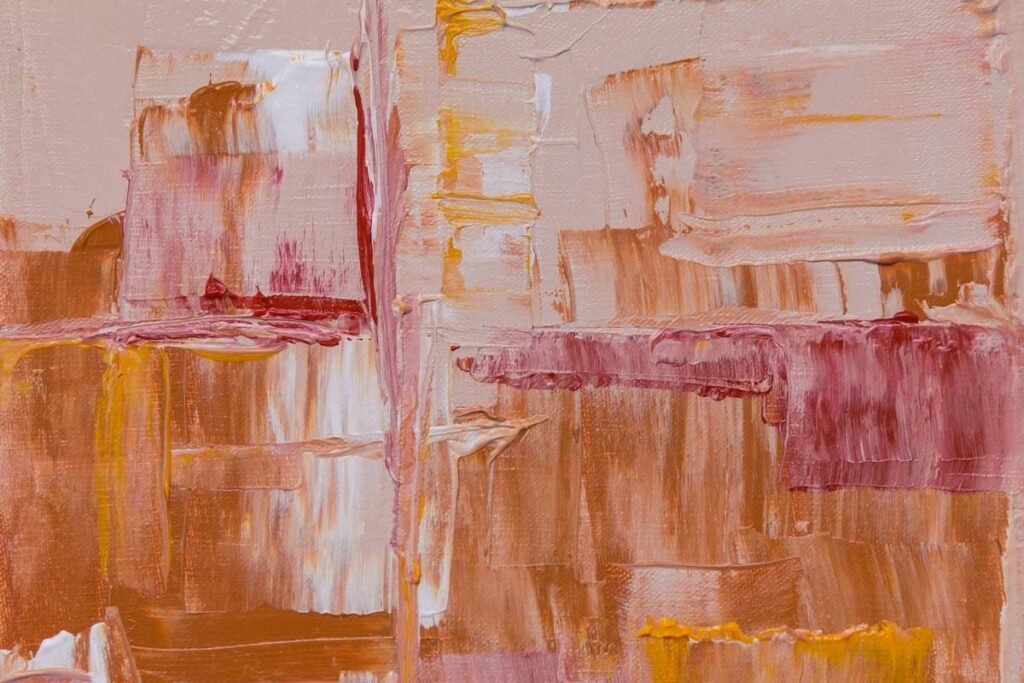
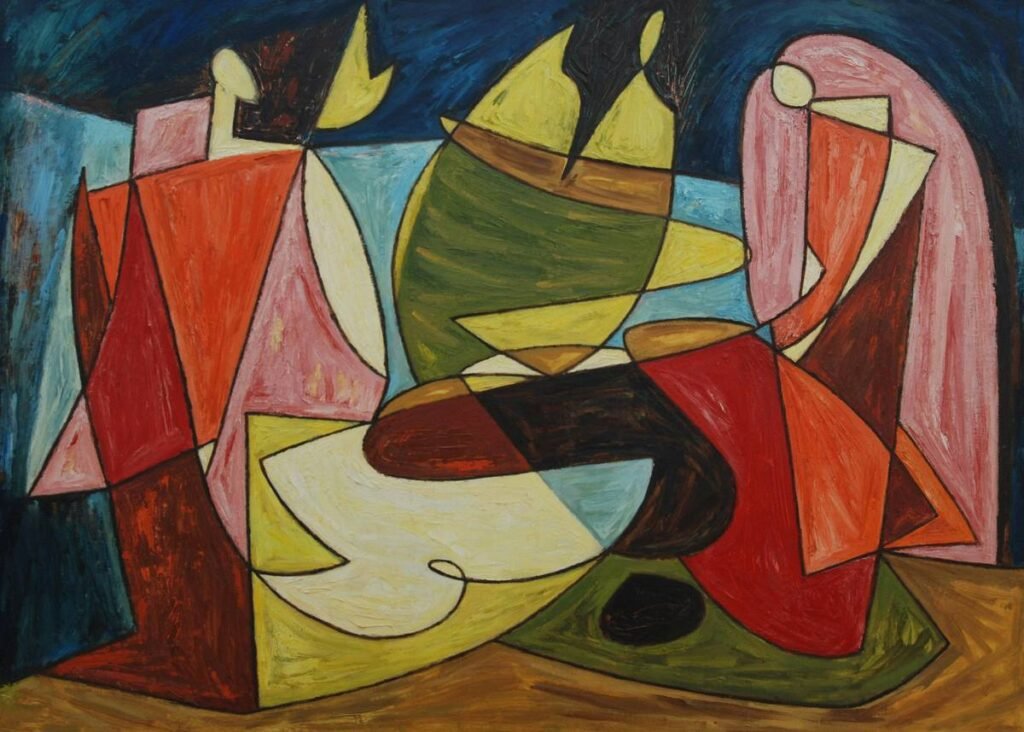
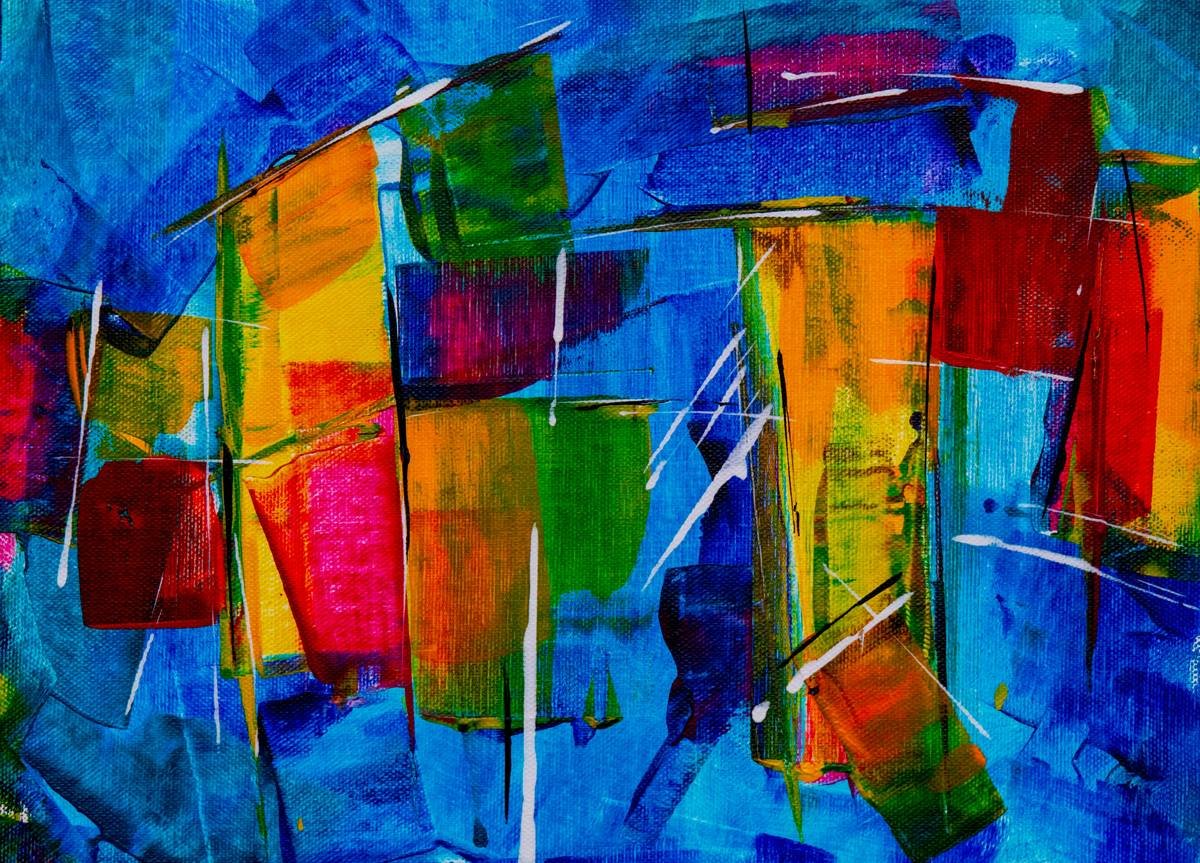
In practical terms? These works capture mood through color fields (Rothko), energetic brushstrokes (de Kooning), or drip techniques (Pollock)—all designed to evoke visceral responses.
So why bring that intensity into your home?
Because today’s minimalist interiors often sacrifice warmth for cleanliness. Abstract expressionism reintroduces humanity—the messy, beautiful imperfection we all carry. A 2023 study by the Journal of Environmental Psychology found that homes featuring emotionally expressive art scored 32% higher in occupant-reported “sense of belonging” than those with purely decorative pieces.
How to Choose Abstract Expressionism Art That Fits Your Space (Not Just Your Ego)
Optimist You: “I’ll buy a massive red Rothko-esque piece—it’ll be transformative!”
Grumpy You: “Ugh, fine—but only if it doesn’t clash with my $2,000 rug.”
Here’s how to align passion with practicality:
Step 1: Assess Your Room’s Emotional Temperature
Is your space calm (think linen, oak, muted tones) or dynamic (bold furniture, mixed metals)? Cool, meditative expressionist works (soft gradients, blurred edges) suit serene rooms. High-energy pieces (thick impasto, jagged lines) energize neutral or monochrome spaces.
Step 2: Match Scale to Wall Real Estate
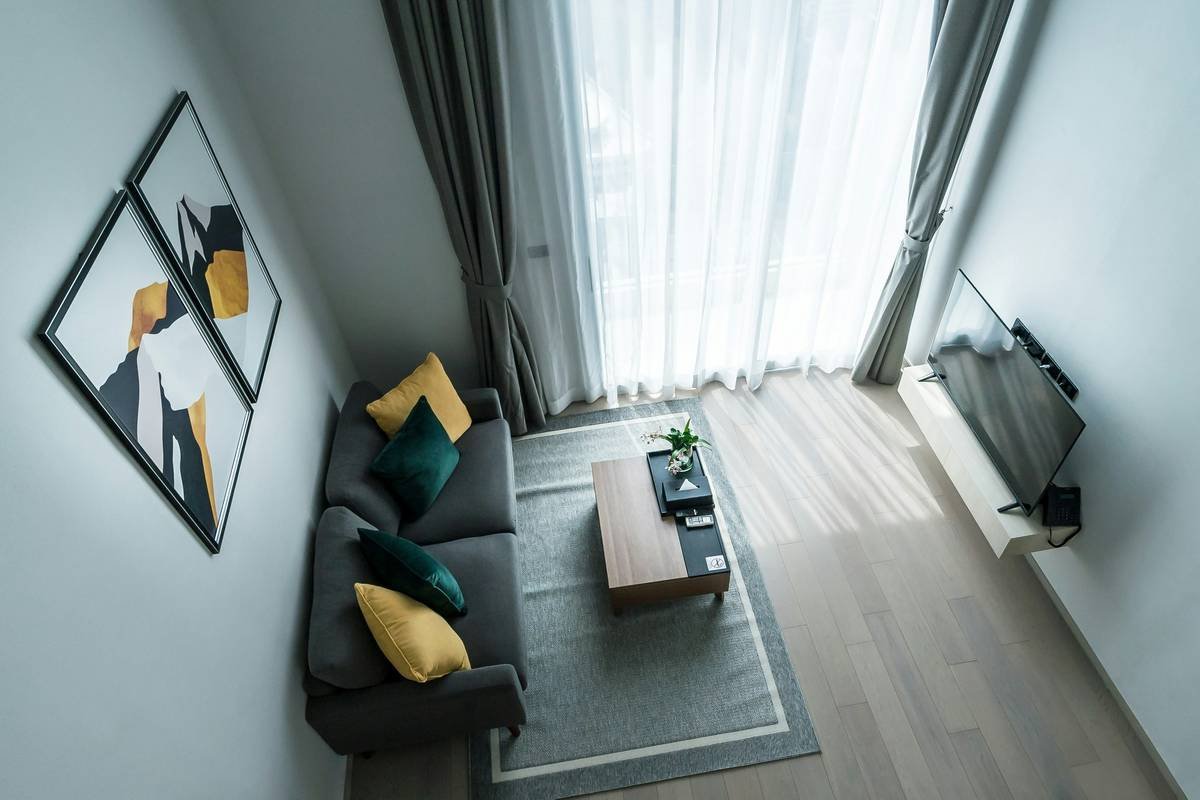
A common fail? Hanging a 16″x20″ piece over a 9-foot sectional. Rule of thumb: art should occupy ⅔ to ¾ of your furniture’s width. For open-concept lofts, consider diptychs or triptychs to create rhythm without overwhelming.
Step 3: Verify Authentic Technique (Not Just Aesthetic)
Many mass retailers sell “abstract expressionism-style” prints that mimic the look but lack depth. Look for texture—actual paint buildup, visible brush hairs, layered glazes. If it’s flat like a poster, it won’t cast shadows or shift with light, killing dimensionality.
5 Best Practices for Styling Abstract Expressionism Without Looking Like a Dorm Room
Confession: I once hung a vibrant blue drip painting over a white IKEA shelf—next to a lava lamp. My friend said, “It looks like a therapy office run by a rave DJ.” Not the vibe.
Avoid my mistakes with these trust-backed tips:
- Lighting is non-negotiable. Use adjustable track lighting or picture lights to highlight texture. Avoid fluorescent overheads—they flatten depth.
- Anchoring > symmetry. Center large pieces on seating sightlines (not wall centers). Your eyes rest at seated height—so hang accordingly.
- Limit competing patterns. If your rug or curtains are bold, keep adjacent walls quiet. Let the art be the sole protagonist.
- Frame thoughtfully—or not at all. Floater frames preserve the canvas’s physicality. Never use ornate gold moulding; it contradicts the style’s anti-traditional ethos.
- Group with restraint. One powerful piece > three small ones. If grouping, vary sizes but unify through dominant color temperature (e.g., all earthy or all icy).
Real Homes, Real Transformations: Case Studies That Prove It Works
Last year, I worked with Maya, a San Diego architect tired of her “showroom-perfect” condo. Her fix? A custom 48″x60″ abstract expressionist piece inspired by ocean turbulence—deep teals, salt-crackle textures, and charcoal undercurrents.
We hung it on a matte clay-painted wall opposite her floor-to-ceiling windows. Result? Her guests stopped saying “Nice place” and started asking, “How did you find something that feels so personal?” Traffic to her interior design Instagram doubled—mostly from DMs asking, “Where’s that painting from?”
In another project, David replaced generic landscape prints in his Brooklyn brownstone hallway with a muted Krasner-inspired triptych (ochres, burnt sienna, ash gray). The narrow space went from “afterthought” to “pause-and-breathe moment.” His partner now calls it “the emotional airlock between street stress and home calm.”
Abstract Expressionism Art Style FAQs
Is abstract expressionism the same as modern abstract art?
No. Abstract expressionism is a specific mid-20th-century movement focused on emotional authenticity and painterly gesture. Modern abstract art is a broader category that includes geometric abstraction, minimalism, and digital works—many of which prioritize concept over emotion.
Can I mix abstract expressionism with traditional furniture?
Absolutely—if done intentionally. Pair a vintage Chesterfield sofa with a moody, textural piece in deep burgundy and black. The contrast creates tension that feels curated, not chaotic.
Are these paintings hard to maintain?
Not if displayed properly. Keep away from direct sunlight (fades pigments) and high humidity (warps canvas). Dust gently with a soft microfiber cloth—never spray cleaners near the surface.
Where can I buy authentic abstract expressionism-style art affordably?
Look to emerging artists on platforms like Saatchi Art or Uprise Art. Many offer original works under $800 with certificates of authenticity. Avoid Amazon “canvas prints”—they lack material integrity.
Conclusion
The abstract expressionism art style isn’t just art history—it’s a living tool for infusing your home with authenticity, movement, and emotional depth. When chosen and placed with intention, it turns passive walls into active storytellers.
Remember: this style thrives on contrast, not conformity. Let it challenge your space. Let it whisper (or shout) what your beige walls won’t. And above all—buy what moves you, not what matches your throw pillows.
Like a Tamagotchi, your walls need daily care… but they also need soul food. Feed them well.