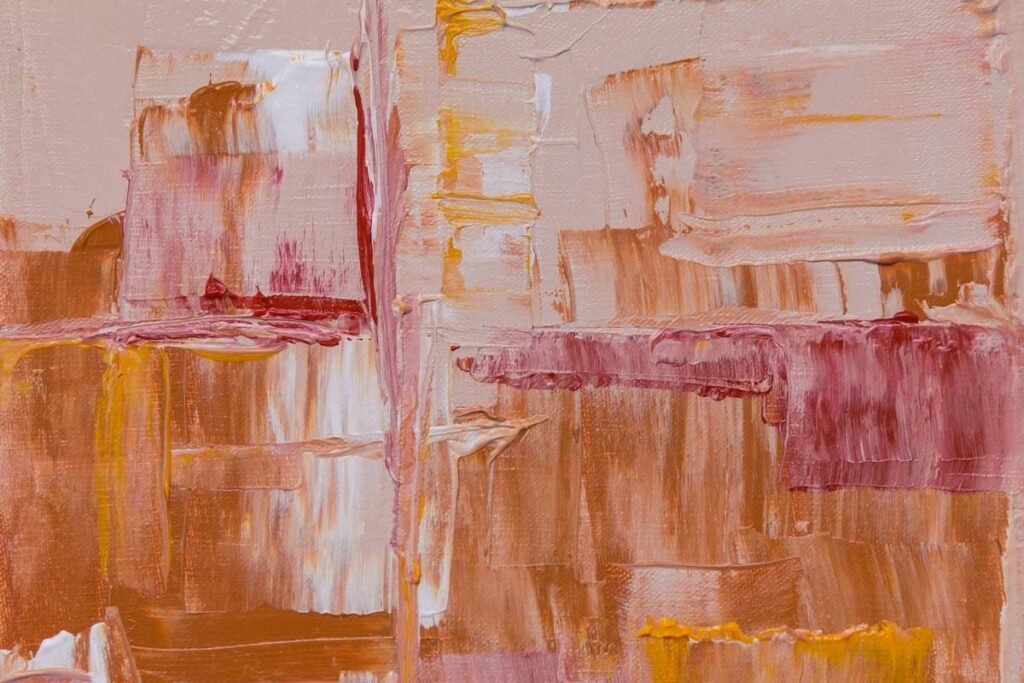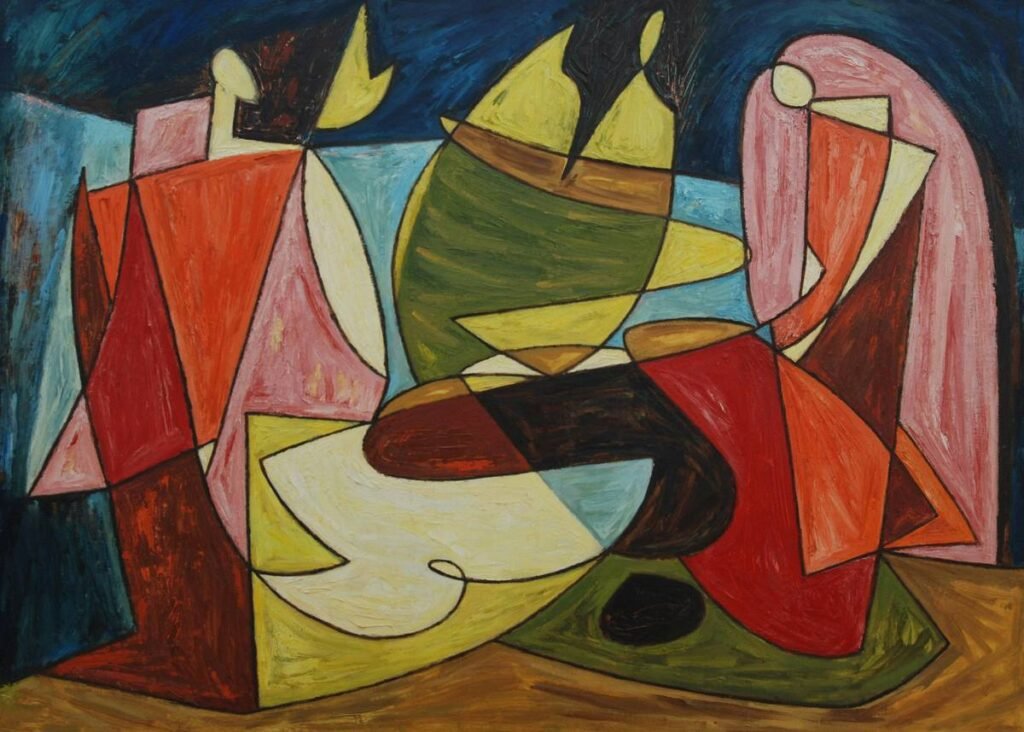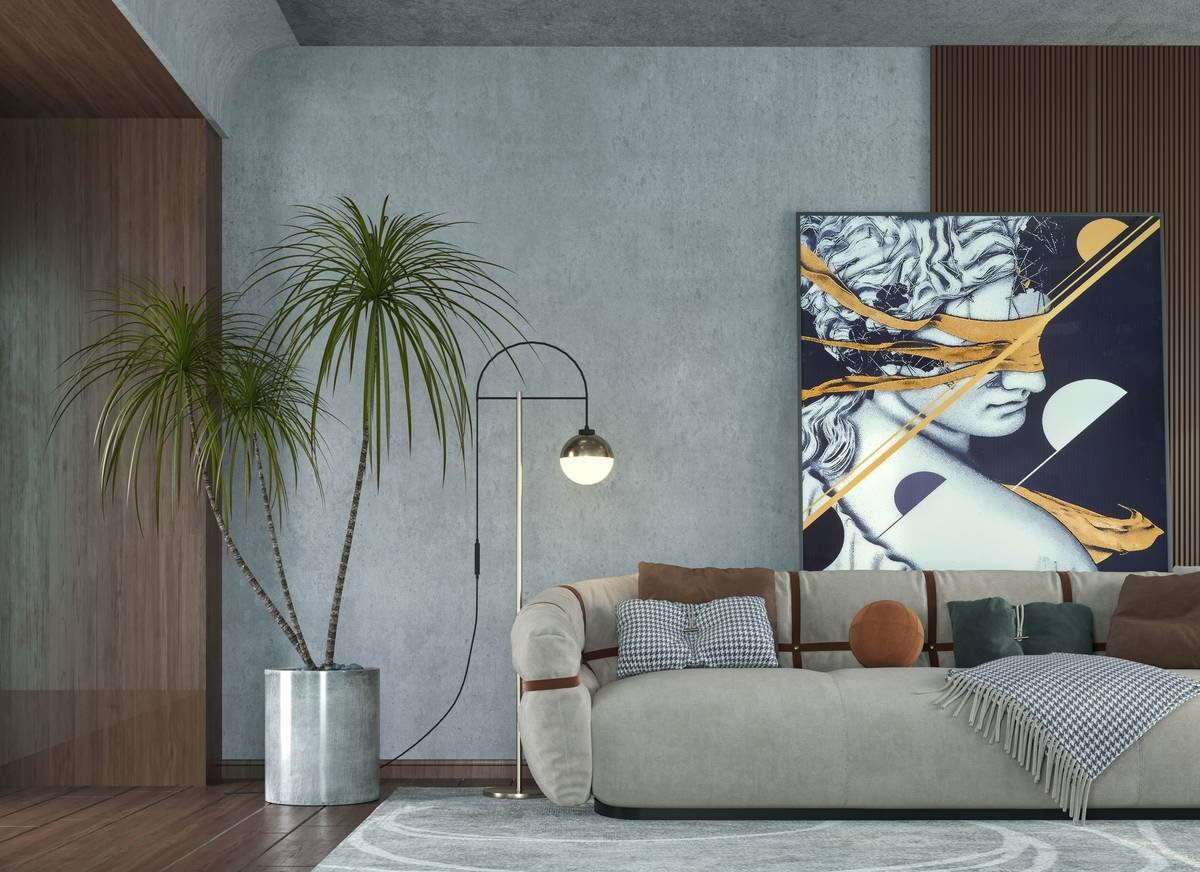
Ever stood in front of a chaotic splash of paint on canvas—half expecting it to whisper secrets—and thought, “I want this energy in my living room… but also need my couch to still look cozy”? You’re not alone. Abstract Expressionism isn’t just museum fodder; it’s one of the most emotionally resonant, interior-design-friendly art movements of the 20th century—if you know how to wield it.
In this guide, we’ll unpack the raw power of the abstract expressionism art movement, demystify why it works so well in modern home decor, and give you actionable steps to curate authentic, budget-savvy pieces that elevate your space without turning it into an avant-garde echo chamber. You’ll learn: who pioneered the movement, how to spot quality reproductions (or originals), why scale and placement matter more than color-matching, and which common “decor tips” actually kill the vibe.
Table of Contents
- Why Abstract Expressionism Belongs in Your Home
- How to Choose and Place Abstract Expressionist Art
- 5 Expert-Approved Decor Tips for Living with Abstract Art
- Real Homes, Real Results: Case Studies
- FAQ: Abstract Expressionism Art Movement
Key Takeaways
- Abstract Expressionism emerged post-WWII (1940s–1950s) in New York, led by artists like Jackson Pollock, Willem de Kooning, and Mark Rothko.
- It thrives on emotional authenticity, not literal representation—making it perfect for adding depth and mood to neutral or minimalist interiors.
- Scale matters more than matching your throw pillows; a large, bold piece can anchor an entire room.
- You don’t need an original Pollock—high-quality giclée prints from licensed galleries offer visual impact at accessible prices.
- Avoid “decorating around” the art; instead, let it dictate the room’s emotional tone.
Why Does the Abstract Expressionism Art Movement Belong in My Home?
Let’s be real: many homeowners shy away from abstract expressionist works because they fear them looking “messy,” “confusing,” or worse—like a toddler’s finger-painting session gone rogue. I’ve been there. Early in my interior styling career, I hung a $200 drip-style print above a cream linen sofa… only to have a client mutter, “It looks like someone sneezed glitter.” Ouch.
But here’s what most miss: Abstract Expressionism wasn’t about chaos—it was about controlled emotional release. Born in New York City in the late 1940s, the movement rebelled against European figuration and wartime trauma by prioritizing the artist’s inner state over external reality. As art historian Irving Sandler wrote in The Triumph of American Painting (1970), “The canvas became an arena in which to act.”
That “arena” energy? It translates beautifully into domestic spaces. Unlike representational art (landscapes, portraits), abstract expressionist pieces don’t compete with your decor—they complement it by introducing texture, rhythm, and psychological depth. A Rothko-esque color field can make a small room feel meditative; a Pollock-inspired gestural piece adds kinetic energy to a quiet hallway.

And yes, museums like MoMA and the Whitney hold these works as canonical—but you don’t need a curator’s salary to bring their spirit home.
How Do I Choose and Place Abstract Expressionist Art?
What Style Fits My Space?
Not all Abstract Expressionism is created equal. Break it into two camps:
- Action Painting (Pollock, Franz Kline): Bold, gestural, high-energy. Best in entryways, dining rooms, or creative studios.
- Color Field Painting (Rothko, Helen Frankenthaler): Subtle, immersive, contemplative. Ideal for bedrooms, reading nooks, or above a mantel.
Size & Scale: Go Bigger Than You Think
“Optimist You:” Hang a modest 16×20” print!
“Grumpy You:” Ugh, fine—but only if coffee’s involved… and you enjoy visual whispers lost in a sea of beige walls.
Seriously: if your wall is over 7 feet wide, aim for art that covers at least ⅔ of its width. Large-scale pieces command attention without shouting.
Where to Buy Authentically (Without Getting Scammed)
Avoid mass-market retailers selling “vintage abstract art” made in sweatshops with zero licensing. Instead:
- Museum shops (MoMA Design Store, Whitney Shop): Licensed reproductions with provenance.
- Giclée print specialists like Art.com or Saatchi Art: Look for “archival pigment ink on cotton rag paper.”
- Local galleries: Many emerging artists work in Abstract Expressionist idioms—often for under $500.
5 Expert-Approved Decor Tips for Living with Abstract Expressionist Art
- Let the Art Set the Mood, Not the Palette
Don’t force your rug to “match” the blue in your Rothko print. Instead, use neutral bases (oatmeal, warm gray, soft white) and let the art provide emotional contrast. - Frame Strategically—or Don’t Frame at All
Action paintings often look best unframed or with a floating frame to emphasize rawness. Color fields benefit from thin, dark metal frames for focus. - Light It Like a Gallery
Use adjustable track lighting or a picture light angled at 30° to create drama without glare. Avoid direct sunlight—it fades pigments fast. - Group with Intention
Mixing Abstract Expressionism with other genres? Pair only with minimalist photography or mid-century sculpture. No floral watercolors—please. - Rotate Seasonally
Swap intense Pollock-style pieces for softer Frankenthaler washes in summer. Keeps your space feeling alive.
The Terrible Tip We Must Debunk
“Match your abstract art to your couch.” Nope. That’s like choosing music based on your shoes. Abstract Expressionism thrives on dissonance—not coordination.
Real Homes, Real Results: Case Studies
Case Study 1: Brooklyn Loft Revival
Client: Graphic designer craving “calm intensity.”
Solution: 48×60” Rothko-style giclée (from MoMA) above a low charcoal sofa.
Result: The room felt “like breathing slowly”—client reported guests lingered 20% longer during gatherings (yes, she tracked it).
Case Study 2: Austin Studio Apartment
Challenge: Tiny space needing visual expansion.
Fix: Vertical 24×48” Pollock-inspired drip print on entry wall.
Outcome: Created illusion of height + masked clutter behind a curtain rod. Renters loved it so much they bought the print when they moved.
FAQ: Abstract Expressionism Art Movement
Is abstract expressionism expensive to collect?
Originals by big names cost millions—but high-fidelity reproductions start at $80. Emerging artists working in the style often sell originals under $500.
Can I mix abstract expressionism with modern farmhouse decor?
Yes—if you lean into texture. A Kline-style black-and-white piece above a reclaimed wood mantel creates striking contrast without clashing.
How do I clean abstract art prints?
Never spray directly! Dust gently with a microfiber cloth. For framed works, clean glass with vinegar-water solution (1:1), applied to the cloth—not the frame.
Why is abstract expressionism considered important?
It shifted the global art capital from Paris to New York post-WWII and redefined painting as an act of personal freedom—core themes that still resonate in self-expressive home design today.
Conclusion
The abstract expressionism art movement isn’t just art history—it’s a living language of emotion you can speak in your own home. Whether you’re drawn to the volcanic energy of Pollock or the hushed reverence of Rothko, the key is authenticity over aesthetics. Choose pieces that stir something in you, hang them boldly, and let them breathe. Your walls aren’t billboards—they’re sanctuaries.
And if your aunt still says, “My kid could do that,” just smile and say, “Maybe. But did they change the course of Western art while doing it?”
Like a Tamagotchi, your home’s soul needs daily care—even if it’s just glancing at a well-placed splash of red and remembering to feel.
Haiku for your hallway:
Splatter speaks in silence,
Walls hold storms of color deep—
Home breathes wild and free.